


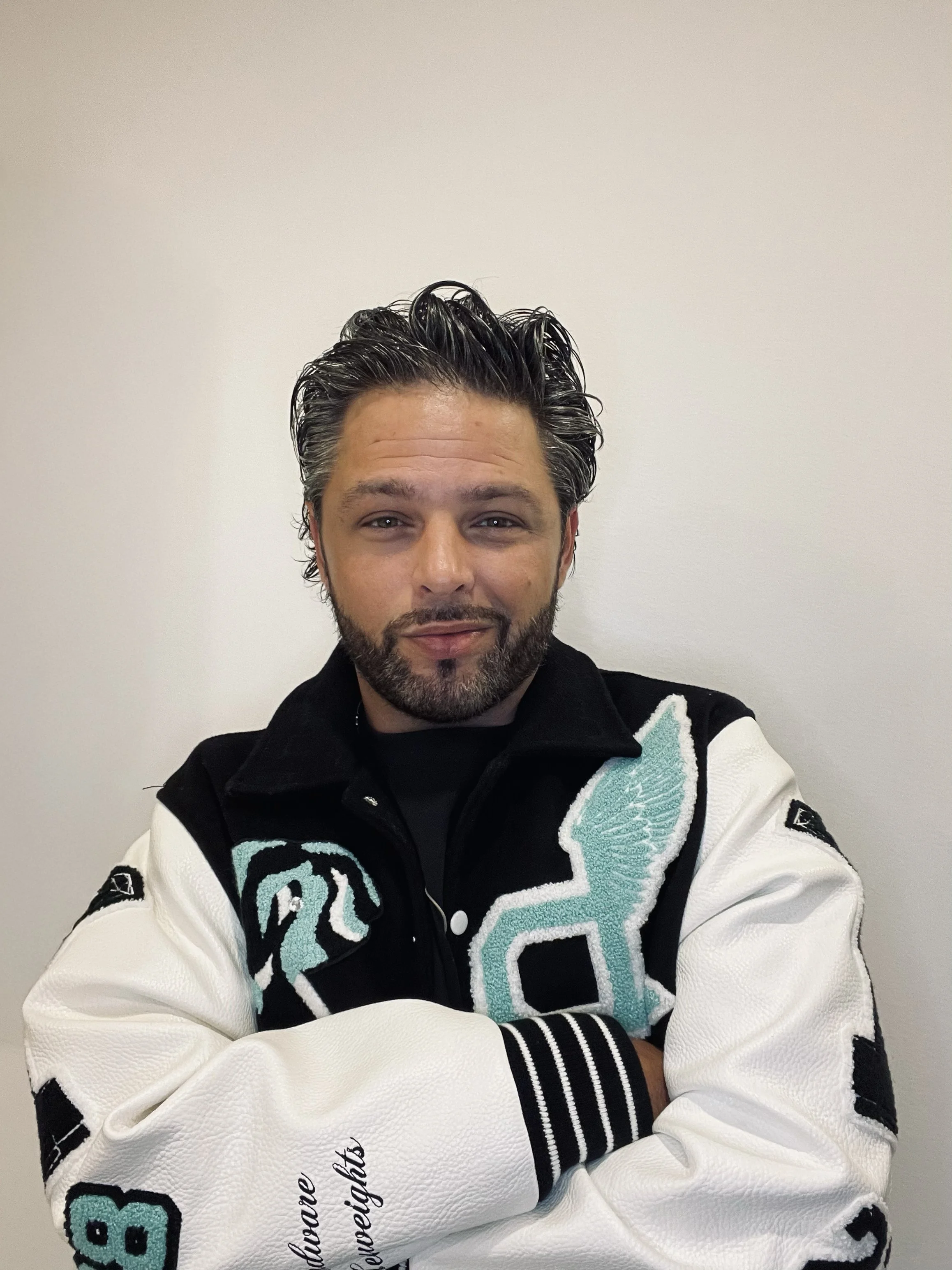
You started working with brands like DGK pretty early on, right? How did you get linked up with those guys originally?
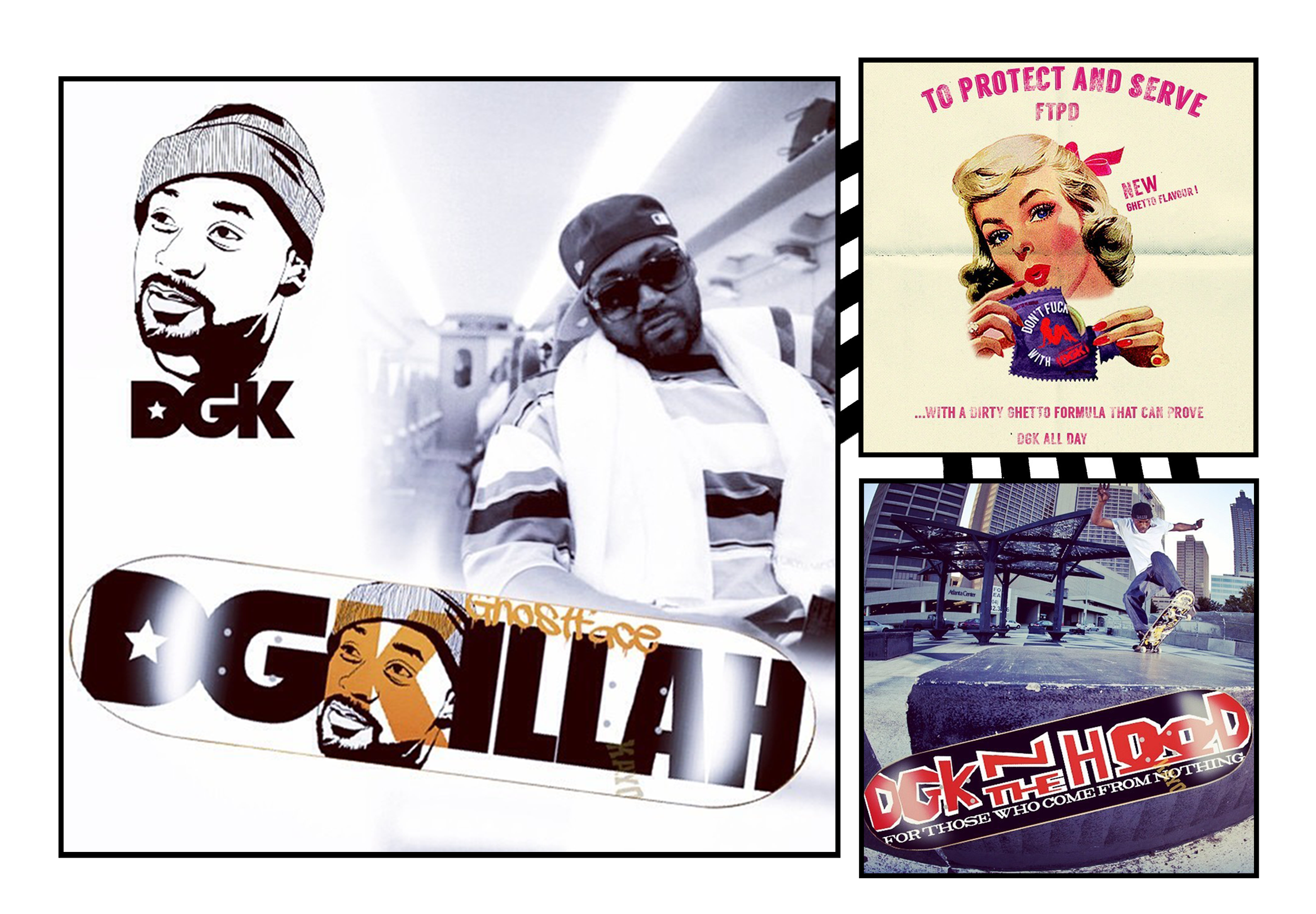
It’s kind of a funny story, but I’ll keep it short. My journey into design didn’t start in a classroom or a studio—after graduation, opportunities in design were almost nonexistent, so I ended up working in a skate shop. I was gripping boards, talking with kids about new parts, products, pro riders, designs—just staying close to the culture I loved. At night, I’d go home and design without any agenda. It was less about a career and more about keeping that creative energy alive, and then I’d throw the files on a hard drive.
Instagram became my sketchbook. At first, I was just throwing ideas into the void, but then I asked myself: What if I designed as if I already worked for the brands I admired? That shift changed everything. It wasn’t about waiting for permission—it was about creating the work I wanted to see in the world.
One day, Brad Rosado, DGK’s team manager at the time, messaged me saying he’d seen my work on the riders’ phones as wallpapers. That was enough to keep me going. Not long after, I got a DM from Nick Lockman, their brand manager: “Hey, we need to talk. Here’s my number.” I honestly thought it was fake at first. But I sent him my designs, and a month later I saw one of my graphics on a DGK board, in stores and online.
That moment wasn’t just my “first break.” It was proof that persistence, curiosity, and authenticity can turn imagination into something tangible. For me, design has always been about that—bridging what exists in your head with the culture you’re part of, until it becomes real enough for others to skate, wear, or hold in their hands.
From there, I kept working with DGK, collaborating with riders, and little by little, word of mouth connected me to other brands. Looking back, it all started with persistence, curiosity, and the idea of treating Instagram like a sketchbook the whole world could see.
Which brand(s) have you been most hyped to work with over the years?
It’s hard to single out one brand, because I’ve been fortunate to work with so many, and each has its own unique energy and vision. Out of respect for all of them, it wouldn’t feel right to highlight just one—every collaboration has been a pleasure, whether through design, creative exchange, or storytelling.
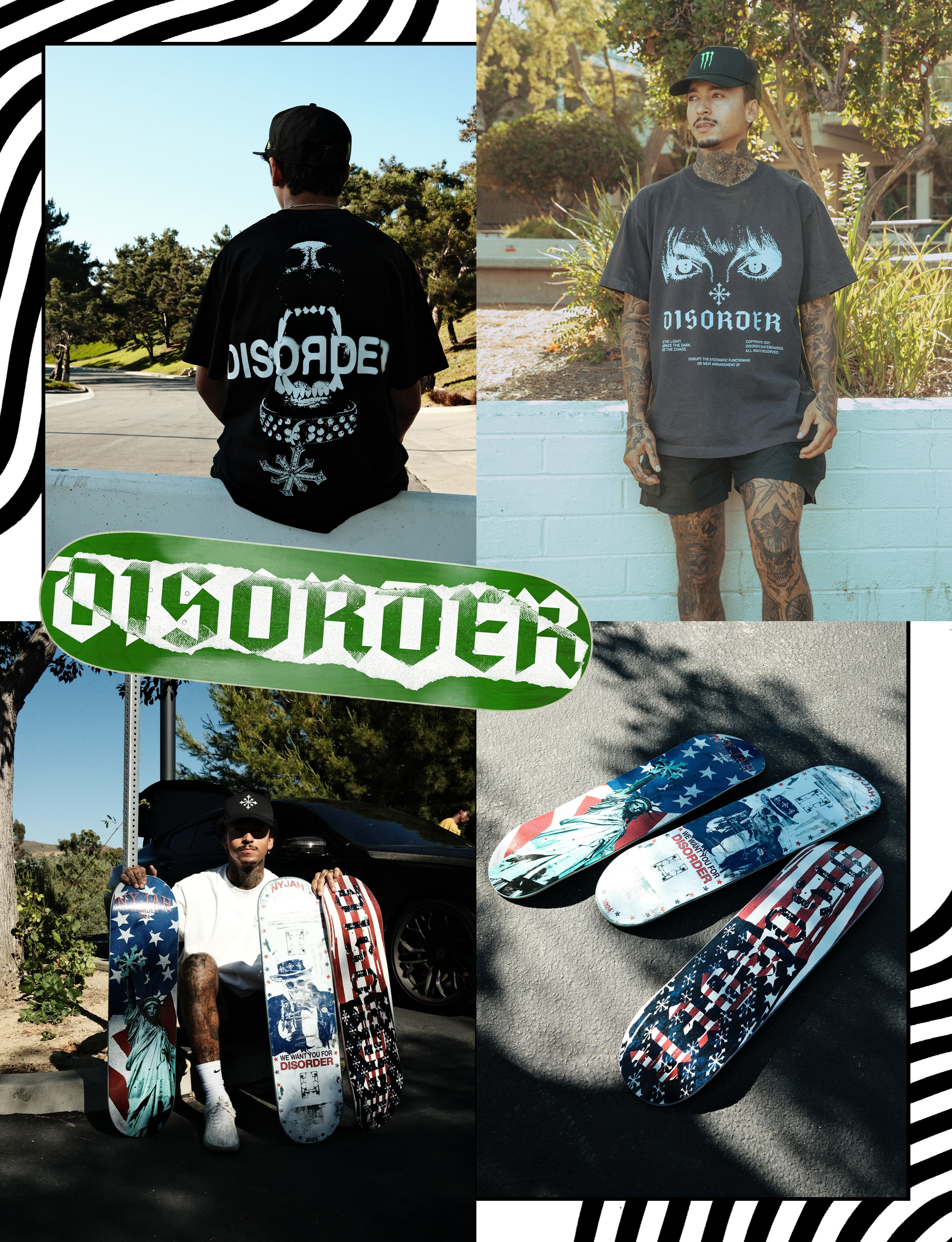
If I had to highlight one experience that has been particularly meaningful, it would be Disorder. Working with a brand created by a skateboarder, run by skateboarders, and for skateboarders—it’s something truly special. The team is entirely made up of skaters or former skaters; it feels like a big family.
Collaborating with Nathan Groff (Creative Director) and Nyjah in particular has been inspiring: seeing his discipline, focus, and relentless drive in skateboarding motivates me to respect his vision and bring that same level of dedication to my work.
You've been vocal about being inspired about the work of the late-Virgil Abloh. Who else would you consider your main graphic design/streetwear influences?
I mean, honestly, who hasn’t been inspired by Virgil Abloh at some point? When he stepped into the world, he was unavoidable—showing up everywhere you didn’t expect, like his collaboration with IKEA, for example. To me, he was a catalyst for ideas, for breaking boundaries, for crossing disciplines.
What I admire most is how he made visible what had often been on the margins: street culture, youth, Black culture, digital DIY. He showed that luxury isn’t an absolute, but a space for negotiation, experimentation, and hybridization.
Abloh spoke about a “culture of paradoxes”—contrasts between minimalism and maximalism, street and luxury—as a creative engine. That’s something I feel deeply in my own work. As Robin Givhan wrote in Make It Ours: Crashing the Gates of Culture with Virgil Abloh, he “ascended the ranks of one of the top luxury fashion houses” while staying connected to street culture, architecture, design, and music. That bridge between worlds is what makes him endlessly inspiring.
Beyond Virgil, influences are everywhere—it’s hard to name just a few graphic designers or streetwear icons. I find inspiration in the street, in punk, rap, and underground scenes, but also in architecture, classic art, and fleeting moments—like a simple conversation—that often go unnoticed. Those worlds share a raw energy, authenticity, and creative spirit that I try to channel in my work. There are so many talented people shaping culture every day, from pioneers of streetwear like Shawn Stussy, Nigo, and Ronnie Fieg, to unknown creators quietly pushing ideas forward.
For me, it’s not about naming icons—it’s about noticing sparks around me and turning them into work that feels alive, relevant, and true.
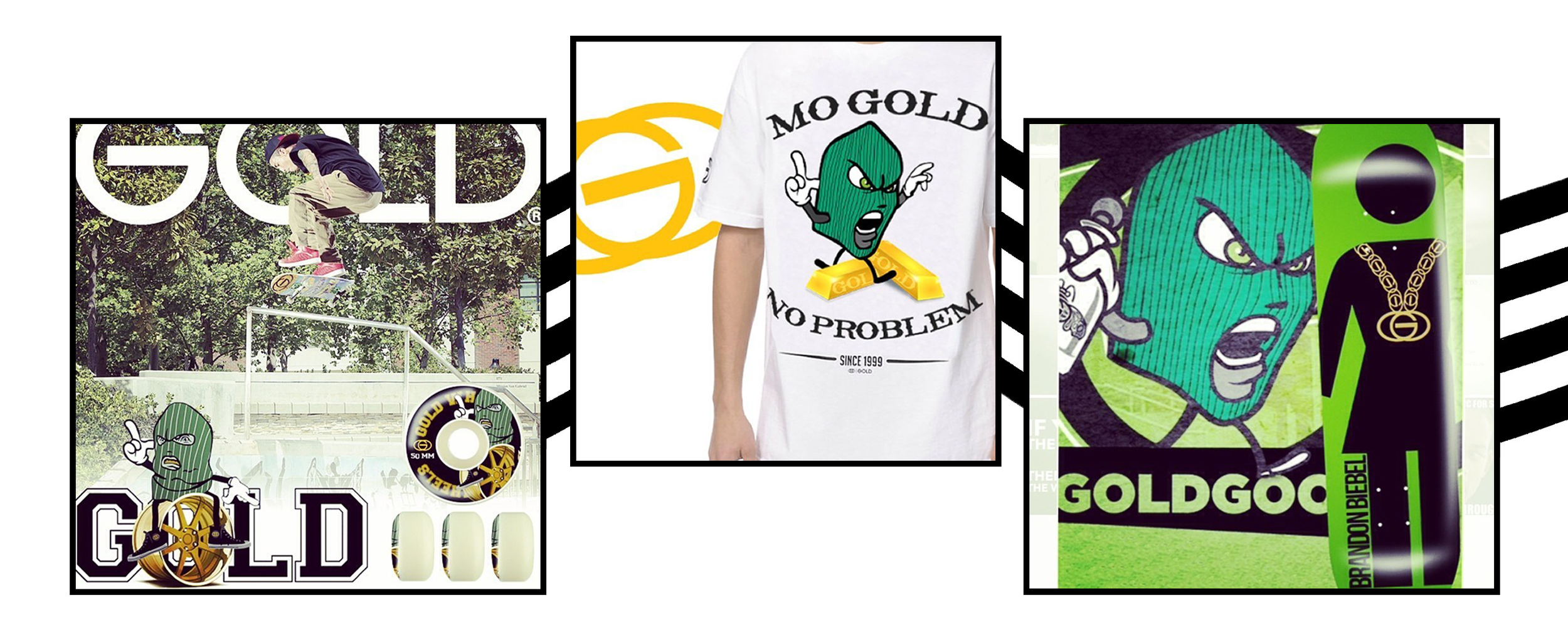
It seems like you did lots of concepts for Diamond before eventually linking up with Nick Tershay. How did that collaboration eventually come together?
My journey with Nick was a bit like it was with DGK, but this time I had learned something: brands don’t usually like seeing fake concepts online—it can give the wrong impression. So I started small, sending him DMs on Instagram, asking for advice, sharing designs, just to see what he thought.
Honestly, I didn’t expect much, but he always replied with honesty and generosity, sharing his vision and giving me guidance along the way.
I remember once he posted a photo of an empty chair and a desk in his Instagram story. I joked, and I replied “Is this my chair for my future job?” He laughed. That was enough—I decided I was going to prove I belonged. I started creating concepts, posting them online, and slowly the connection grew. Nick asked me to work on a few designs, and eventually we started talking about me coming to Los Angeles.
At the time, I was in Montreal, working at a communications agency. Nick offered me the opportunity, but then COVID hit and everything froze. My dream felt just out of reach.
I went back to France, kept freelancing, and stayed in touch with him. Then my wife found a way for me to get a U.S. visa. I told Nick I could come immediately if he could guarantee a salary—and he did. That’s how I finally made it to Los Angeles to work with Diamond.
How did you first get linked up to do the graphics for Nyjah's brand, Disorder?
One day, I was at my computer, staring at a design that didn’t feel complete. I grabbed my phone, scrolled through Instagram, and stumbled on a post from Disorder. The brand was just starting out—there wasn’t much there—but something clicked.
I felt instantly that this design belonged with them. I added their logo, made a few adjustments, and sent it to their Creative Director, Nathan. Then I stepped outside for some fresh air, not expecting a reply, forgetting my phone at home. When I came back, there it was—a message asking me to tweak the colors and send the file.
From that moment, the conversation grew. We explored ideas, shared visions, and I could feel the energy of Nyjah’s vision for the brand. It wasn’t just about a design—it was a connection, a shared understanding of how creativity and culture intersect.
Soon, I was working on more concepts, collaborations, and projects—and that’s how it all began.
How would you describe the feeling of seeing your graphics being skated in the Olympics?
It was surreal. I stepped back and reflected on the journey that brought me here—from working in a skate shop, to seeing the most decorated skateboarder in the world skate with my design, on television, at the Paris Olympics. Being French, it felt deeply personal—a quiet pride, especially since many assume I’m American and very few in France knew my work.
Nyjah’s performance was incredible, and seeing my design woven into that story made it even more meaningful.
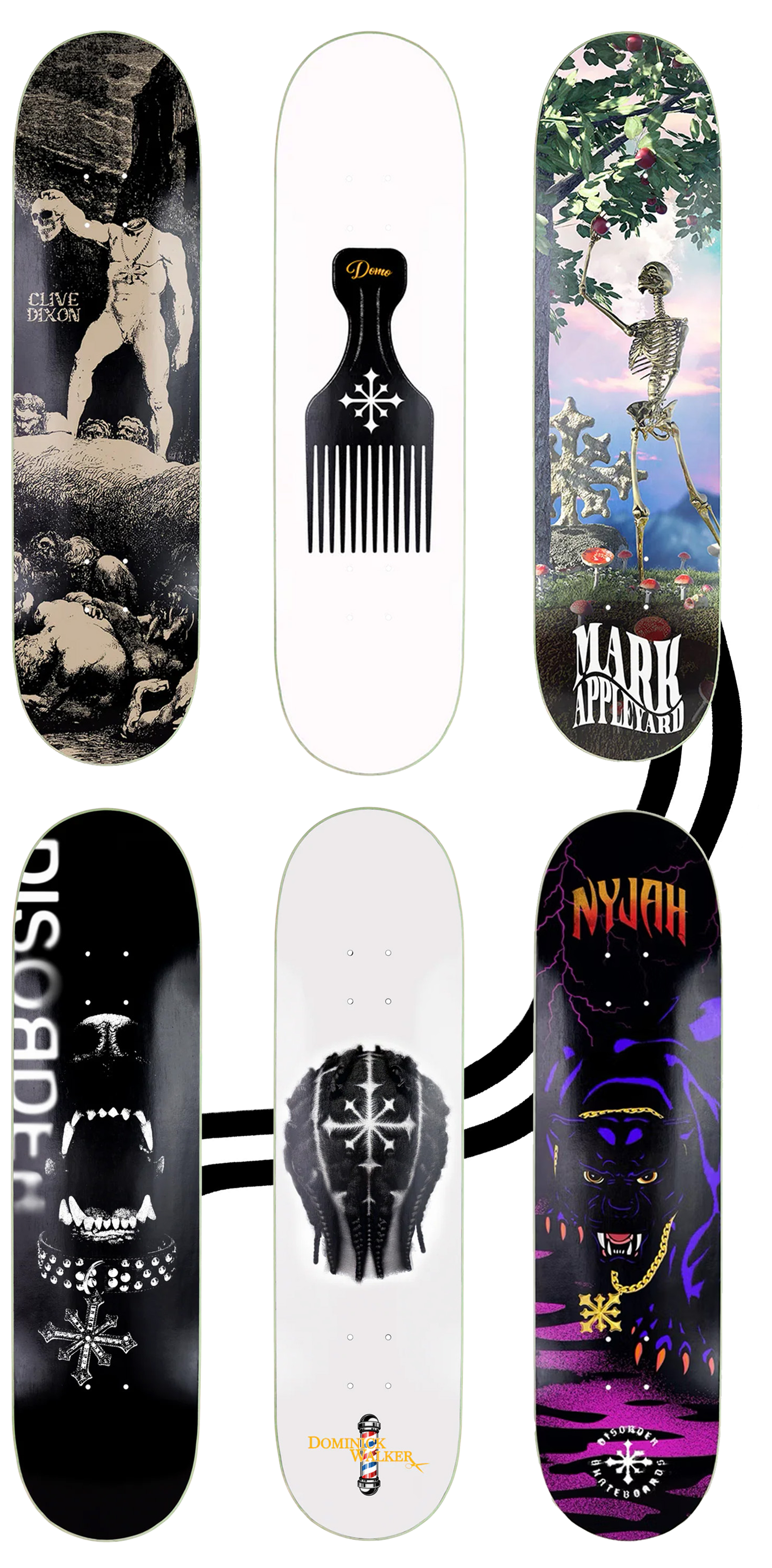
When making someone's first pro deck, like you did for Mark Appleyard or Dominick Walker - what sort of concepts do you consider basing your designs around?
Designing a rider’s first pro deck is always a unique challenge. There’s an extra layer of pressure—you want it to make an impression, to be memorable. Every design is a conversation: understanding the rider’s personality, their style, the image they project, and how they connect with the culture around them.
I consider elements like energy, narrative, and symbolism—what does this rider represent, and how can the deck visually translate that? It’s often an iterative process: sketches, discussions, testing ideas, adjusting.
Above all, I try to create something authentic, something that feels alive in the hands of the rider and resonates with the community.
What do you hope to accomplish if you are able to get your visa and come to the United States ?
If I have the chance to return to the United States, I want to be in a space where ideas meet, cultures collide, and creativity flows without limits. It’s about experimenting, collaborating, and making work that feels alive—rooted in skate, streetwear, music, and urban culture. I want to keep learning, pushing boundaries, and creating pieces that resonate, while hopefully inspiring others to do the same.
Any last words?
I’m grateful to everyone who has been part of this journey—friends, family, collaborators, Instagram followers, and every skater, artist, and creator who has inspired me along the way. I also want to thank Downward Skateboard Magazine for giving me the platform to share my story. Without the guidance, trust, and energy of all these people, none of this would be possible. Thank you !
Originally published in Issue 7 - May 2025